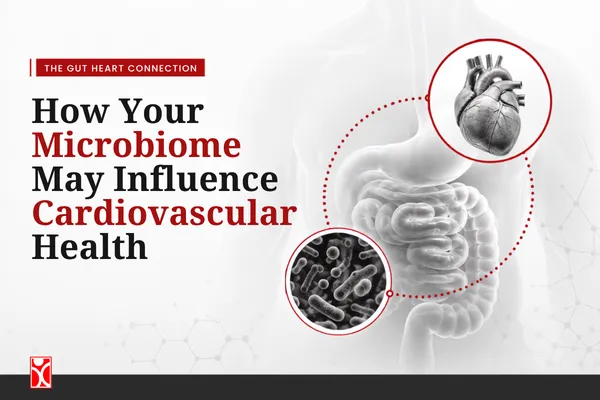
The Gut-Heart Connection: Microbiome & Heart Health
Cardiovascular Health, Gut Microbiome, Preventive Screening
The Gut–Heart Connection: Why Your Microbiome Demands a Place in Cardiovascular Prevention
The era of viewing the heart in isolation is over. If you are serious about cardiovascular prevention, you can no longer afford to ignore what is happening in the gut. Emerging evidence is drawing a bold, unbreakable line between the microbiome and vascular health—and professionals who stay ahead of this curve will shape the next generation of heart disease prevention.
The Gut–Heart Connection: Moving Beyond a Single-Organ Mindset
The gut is not just a digestive tube; it is a metabolically aggressive, immunologically active organ system that communicates constantly with the cardiovascular system. Trillions of microbes living in the intestines produce metabolites, modulate inflammation, and influence endothelial function. Ignoring this ecosystem while assessing heart risk is like reading only the last chapter of a complex clinical story and pretending you know the whole plot.
Professionals working with adults over 40—especially those with obesity, diabetes, dyslipidemia, or a family history of cardiovascular disease—are confronting a reality that is impossible to dismiss: the gut microbiome can either amplify vascular damage or help buffer it. The “gut–heart axis” is not a fashionable buzz phrase; it is a clinically relevant framework that should inform how you talk about prevention, lifestyle, and screening with your patients or clients.
How the Microbiome May Influence Cardiovascular Health
The mechanisms linking the microbiome to cardiovascular health are not speculative—they are increasingly measurable and actionable. Certain gut bacteria convert dietary components such as choline and carnitine (found in red meat, eggs, and some processed foods) into trimethylamine (TMA), which the liver oxidizes into trimethylamine N-oxide (TMAO). Elevated TMAO levels have been associated with accelerated atherosclerosis, platelet hyperreactivity, and a higher risk of major adverse cardiovascular events. In plain terms: an imbalanced microbiome can quietly push arteries toward instability long before symptoms emerge.
At the same time, beneficial microbes produce short-chain fatty acids such as butyrate, acetate, and propionate, which support gut barrier integrity, reduce systemic inflammation, and may help regulate blood pressure and lipid metabolism. A fiber-poor, ultra-processed diet starves these protective bacteria, while a plant-forward, nutrient-dense eating pattern fuels them. This tug-of-war inside the gut translates directly into vascular consequences: endothelial resilience or dysfunction, plaque stability or vulnerability, and ultimately, protection or progression of disease.
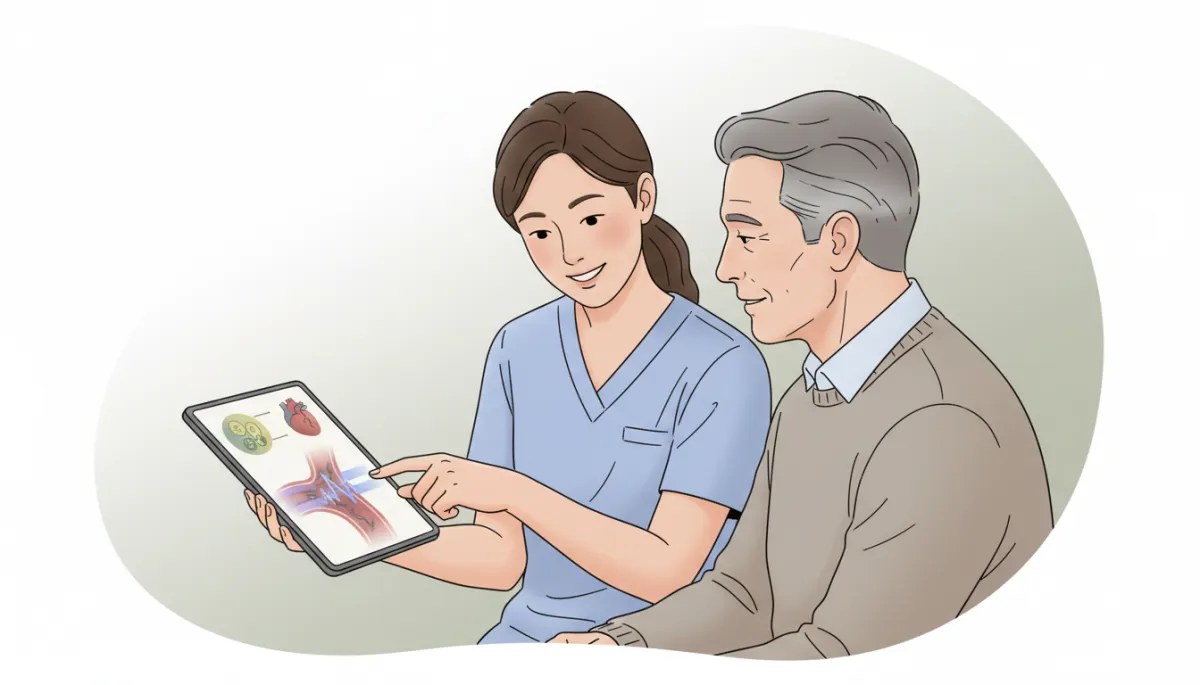
Linking lifestyle, microbiome health, and arterial imaging turns abstract risk into visible reality.
From Insight to Action: Pair Microbiome-Friendly Habits with Vascular Screening
For professionals advising high-risk adults, the mandate is clear: champion gut-supportive habits while insisting on objective cardiovascular assessment. Encouraging more fiber, fewer ultra-processed foods, moderate alcohol, and smoking cessation is essential—but it is not enough. Patients deserve to see how their choices, genetics, and microbiome are already impacting their arteries today, not after an event forces the conversation.
This is where Vasolabs steps in decisively. Our affordable, painless C-IMT (carotid intima–media thickness) ultrasound scans reveal early structural changes in the carotid arteries—long before symptoms appear. When you pair microbiome-focused counseling with concrete imaging of arterial health, you transform vague risk into a clear, personalized roadmap. Patients see their own arterial wall, understand their trajectory, and become far more motivated to act on diet, weight, blood pressure, and gut health.
📌 Key Takeaway: A healthy microbiome can support vascular resilience, but you still need hard data on arterial status. Combining microbiome-conscious lifestyle strategies with C-IMT screening is a bold, modern approach to prevention.
Make the Gut–Heart Axis Part of Every Prevention Strategy
The message is unapologetically direct: if you are counseling adults over 40 and not addressing the gut–heart connection, you are leaving a critical dimension of prevention on the table. Your patients are navigating powerful forces—diet, medications, metabolic disease, and microbiome shifts—that can either erode or protect their arteries every single day. They need more than generic advice; they need clear information, concrete measurements, and an actionable plan.
Vasolabs is built around that exact promise: accessible, innovative cardiovascular screenings that empower people with fast, easy-to-understand results. Our C-IMT ultrasound technology requires no physician referral, is noninvasive and painless, and delivers rapid reports that you and your patients can use immediately to guide lifestyle, microbiome-supportive strategies, and medical decisions. If you are ready to align gut health, heart health, and proactive prevention, do not wait for symptoms to dictate the timeline—schedule your C-IMT scan appointment today to assess your risk of heart disease.
Disclaimer: This article is for educational purposes only and is not intended to diagnose, treat, cure, or prevent any medical condition. Always consult a qualified healthcare professional regarding personal medical concerns.
References
1. Tang WHW, Kitai T, Hazen SL. Gut microbiota in cardiovascular health and disease. Circulation Research. 2017;120(7):1183–1196.
2. Witkowski M, Weeks TL, Hazen SL. Gut microbiota and cardiovascular disease. Circulation Research. 2020;127(4):553–570.
3. Wang Z, Klipfell E, Bennett BJ, et al. Gut flora metabolism of phosphatidylcholine promotes cardiovascular disease. Nature. 2011;472(7341):57–63.
4. Marques FZ, Mackay CR, Kaye DM. Beyond gut feelings: how the gut microbiota regulates blood pressure. Nature Reviews Cardiology. 2018;15(1):20–32.
