Reading Your Cardiovascular Report
Understanding Your Cardiovascular Report: An Overview
When you get your cardiovascular report, it's packed with numbers and terms that might seem complex. But understanding it is simpler than you think. The report is your heart's health snapshot, telling you where things stand. Key parts include your cholesterol levels—LDL (the "bad" cholesterol) should be low, while HDL (the "good" cholesterol) should be high. Your blood pressure numbers come next. Ideal numbers are below 120/80 mmHg. If it's higher, it's a sign your heart is working too hard. The report might also talk about triglycerides, which are a type of fat in your blood—lower numbers are better here. Remember, these numbers are signals. Good numbers? Keep up your lifestyle. Numbers off the mark? Time to chat with your doc about getting back on track. It's all about taking these clues, understanding what they say about your heart, and acting to stay healthy.

Deciphering the Key Components of Your Report
When you get your cardiovascular report, it might look like a bunch of confusing numbers and terms. But, decoding it is crucial for understanding your heart health. First off, you'll see your blood pressure numbers. These should ideally be less than 120 over 80. Anything higher starts to signal high blood pressure. Then, there's your cholesterol levels. Total cholesterol should be less than 200 mg/dL to be in the clear. Watch out for LDL ("bad" cholesterol) – you want it low, and HDL ("good" cholesterol) – you want this high. Your triglyceride level, another fat in your blood, should be under 150 mg/dL. Your report might also talk about heart rate. A resting heart rate of 60 to 100 beats per minute is standard. If yours is higher, it might indicate stress on your heart. Lastly, BMI (Body Mass Index) can also show up. A BMI between 18.5 and 24.9 is considered healthy. Understanding these numbers is your first step. Acting on them might mean diet changes, exercise, or talking to your doctor for more specific advice. Remember, this report is a snapshot of your heart health, giving you the chance to take control and improve it.
The Significance of Blood Pressure Readings
Blood pressure readings are your heart's report card. They tell how well your heart is pumping blood through your body. A normal blood pressure reading is around 120/80 mmHg. The first number, called systolic pressure, measures the pressure in your arteries when your heart beats. The second number, diastolic pressure, measures the pressure in your arteries when your heart rests between beats. If your blood pressure is high, over 140/90 mmHg, it's like a warning sign that you're at risk for heart problems. High blood pressure can lead to heart disease, stroke, and other serious issues. It's silent but dangerous. Keep an eye on it and talk to your doctor if it's high. On the flip side, low blood pressure can make you feel dizzy and faint, and it's also not ideal. Maintaining a balance is key, so regular check-ups are crucial. Think of it as keeping your heart's report card in check.
Cholesterol Levels: What They Mean for Your Heart
Understanding cholesterol levels is key to managing your heart health. In simple terms, cholesterol is a fat-like substance in your blood. Your body needs it to build cells, but too much of it can cause problems. There are two main types: LDL, often dubbed the "bad" cholesterol, and HDL, known as the "good" cholesterol. High LDL levels increase your risk of heart disease and stroke. On the flip side, high HDL levels can lower your risk. A desirable cholesterol report shows LDL levels below 100 mg/dL and HDL levels above 60 mg/dL. If your LDL is high, it's time to take action by eating healthier, exercising more, and possibly taking prescribed medication. Remember, managing cholesterol is a significant step towards a healthier heart.
ECG/EKG Results Explained Simply
When you get your ECG (also known as EKG) report, it might look like a bunch of squiggles and lines. But, trust me, there's a method to the madness. Let's break it down. An ECG records the electrical activity of your heart. The main things your doctor looks at are rate, rhythm, and any signs of damage.
Rate tells you how fast your heart is beating. A normal range is 60 to 100 beats per minute. If it's above or below, your doctor might want to explore why.
Rhythm is about the pattern of your heartbeat. A steady, consistent beat is what you're aiming for. If the rhythm is off, it could be a sign of something more serious.
Finally, the squiggles can show if parts of the heart are too thick, if there have been previous heart attacks, or if there's ongoing heart damage. Different patterns can indicate different issues.
Remember, your doctor is your partner in this. If you have questions about your ECG results, ask. They're there to help you understand your heart's health and what you can do to keep it ticking strong.
The Role of Exercise Stress Test in Your Cardiovascular Health
The Exercise Stress Test, often just called a stress test, plays a crucial part in understanding your cardiovascular health. Think of it as your heart's stress ball test. It shows how your heart performs when it's pushed, similar to when you're running late and have to sprint to catch a bus. During the test, you'll be asked to walk or run on a treadmill or pedal a stationary bike. As the intensity goes up, so does your heart rate. Why does this matter? Well, it helps doctors spot how well your heart pumps blood when it's working hard and identify any problems that might not show up when it's taking a chill pill. If the test unfurls any issues, like irregular heartbeats or inadequate blood flow, it’s like a red flag that you might have coronary artery disease or other conditions. So, it's not just a sweaty exercise session; it’s a vital check-up for your ticker. Remember, a healthy heart equals a longer, fuller life. This test tells you if it's time to step up your heart care game, maybe by throwing in more greens into your diet, quitting smoking if you do, or getting more active. Listen to what the stress test says; it’s like getting insider info about your heart's health playbook.
Interpreting Echocardiogram Findings
An echocardiogram is like a silent movie of your heart beating. When you get this report, it speaks volumes about your heart health, but reading it feels like cracking a code. Here's how to break it down. First, look for the Ejection Fraction (EF). This number tells you how well your heart pumps with each beat. An EF of 55% or higher is generally what you want; it means your heart is doing a good job. If it's lower, it's a yellow flag that demands a chat with your doctor. Next, the report will talk about the valves in your heart — think of these as the doors that open and close as blood moves through your heart. If the report mentions words like stenosis (narrowing) or regurgitation (leaking), it means those doors aren't working perfectly. This could affect how efficiently your heart pumps. Also, pay attention to mentions of the chambers of your heart — the left ventricle, right ventricle, left atrium, and right atrium. If the report says these are dilated (enlarged) or hypertrophied (thickened), it's a signal that your heart is working harder than it should, possibly due to high blood pressure or other conditions. Don't skip the section on wall motion. This part notes how the walls of your heart’s chambers move. If there's an issue here, it could mean parts of your heart aren't getting enough oxygen. Lastly, don’t worry if you spot medical jargon that seems complex. Jot down any questions and terms you don't understand, and bring them to your doctor's attention. They can explain what these findings mean for your heart health and what next steps, if any, you should take.
How to Act on Abnormal Results: Lifestyle Changes That Can Help
If your cardiovascular report has areas of concern, it means it’s time to focus on lifestyle changes to better your heart health. First off, quit smoking if you do. Smoking is a major enemy of heart health. Next, get moving. Aim for at least 150 minutes of moderate exercise or 75 minutes of vigorous exercise per week. Think walking briskly, cycling, or swimming. Your diet needs attention too. Shift to heart-healthy eating by including more fruits, vegetables, whole grains, and lean proteins in your meals while cutting back on salts, sugars, and saturated fats. Limit alcohol intake; moderation is key. If stress is a constant in your life, find ways to manage it through meditation, yoga, or spending time on hobbies that relax you. Lastly, monitor your blood pressure and cholesterol levels regularly to keep tabs on your progress. Implementing these changes won’t just improve your report next time but significantly boost your overall well-being.
When to Seek Medical Advice: Red Flags in Your Cardiovascular Report
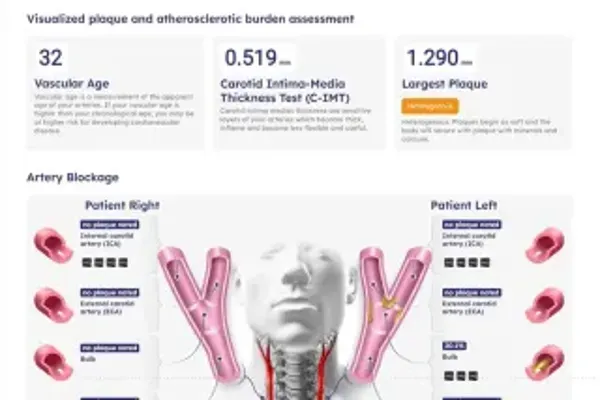
When you get your cardiovascular report, know it's more than just numbers and medical jargon. It's a map that shows the state of your heart's health. Pay close attention to these red flags because they are serious signs you need a doctor's input. If your report shows high cholesterol levels, especially LDL or "bad" cholesterol higher than 190, it's a loud alarm. A high blood pressure reading, anything above 140/90 mm Hg, should also have you picking up the phone. Don't ignore irregular heartbeats or arrhythmias; these need an expert's eye. The same goes for any mention of blockages or narrowing arteries; these conditions can lead to heart attacks or strokes if not addressed. Lastly, if your report mentions heart enlargements or weak heart muscles, it's time to act. Your heart is telling you it needs help. Remember, these red flags are not just warnings; they're a call to action. Waiting or ignoring them is not an option. Get in front of a doctor to understand what these signals mean for you and how to tackle them head-on.
Summary and Next Steps: Managing Your Heart Health
Once you have your cardiovascular report in hand, it's time to get to work. First, look at the numbers and break them down. High cholesterol? That's a flag. Blood pressure through the roof? Another red flag. Your heart's beating too fast? You've got it, a red flag. But here's the deal — each of these can be tackled head-on. Talk to your healthcare provider about these numbers. They'll likely suggest changes in diet, maybe push for more exercise, or even prescribe medication. The goal is to get these numbers to a safe zone. Acting early and consistently is key to turning your heart health around. Don't ignore your report. Use it as a tool to guide your next steps. Take control, make the necessary changes and keep checking in on your progress. It's all about taking action today to ensure a healthier tomorrow. Remember, managing your heart health is a marathon, not a sprint. Prepare to put in the work, and the results will follow.
