Common Signs of Cardiovascular Disease
Heart health is a critical aspect of overall well-being, yet cardiovascular disease (CVD) remains one of the leading causes of morbidity and mortality worldwide. Understanding the warning signs can be your first line of defense against the potential risks of a stroke or heart attack. In this blog, we'll explore the most common symptoms of cardiovascular disease, highlighting why prompt recognition and action are paramount.
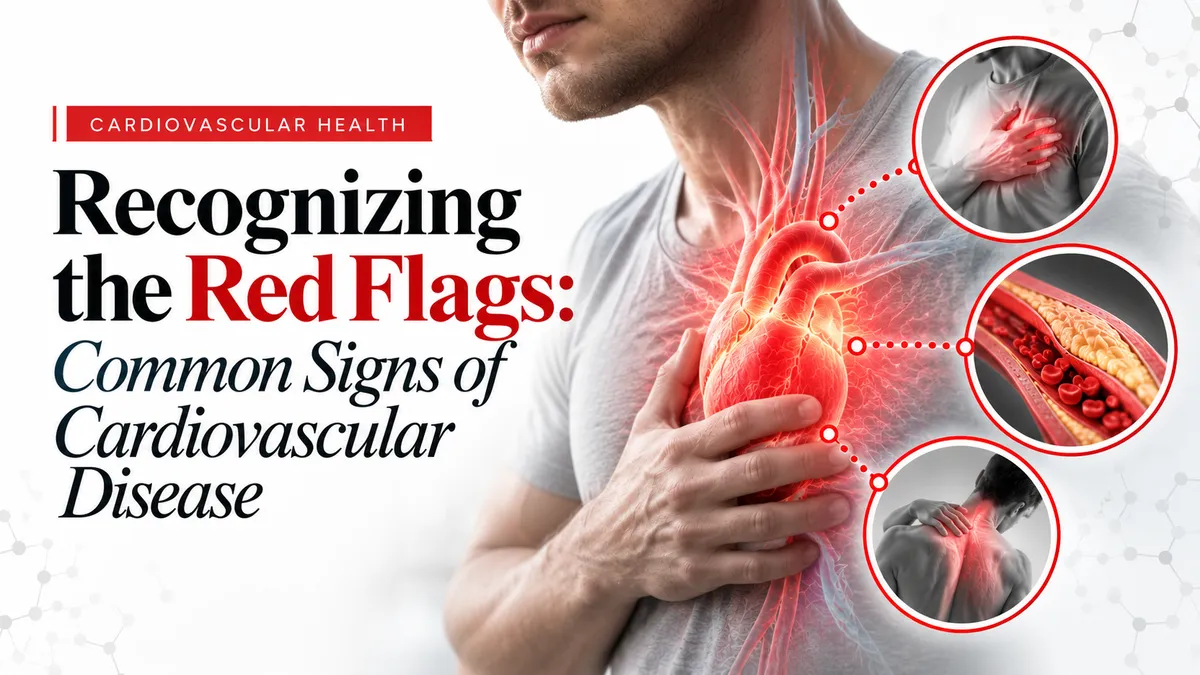
1. Chest Discomfort or Pain (Angina): One of the most recognizable signs of heart trouble is chest pain or discomfort, often referred to as angina. This pain can feel like pressure, squeezing, fullness, or a sharp pain in the center of the chest. It's a red flag that your heart might not be getting enough oxygen due to narrowed or blocked arteries.
2. Shortness of Breath (Dyspnea): If you find yourself gasping for air or struggling to breathe during activities that you used to manage easily, take note. Shortness of breath can indicate heart failure, a condition where the heart can't pump blood as well as it should.
3. Irregular Heartbeat (Arrhythmia): An irregular heartbeat or palpitations can feel like your heart is racing, fluttering, or skipping beats. While not all arrhythmias are dangerous, they can be a sign of a more serious heart condition.
4. Fatigue and Dizziness: Feeling unusually tired or lightheaded, especially with activities, can be a sign that your heart isn't pumping efficiently. Don't dismiss ongoing or unexplained fatigue, especially if it's accompanied by other symptoms.
5. Swelling in Legs, Ankles, or Feet (Edema): When the heart doesn't pump blood effectively, fluid can accumulate in the body, leading to swelling in the lower extremities. This swelling can be a sign of heart failure.
6. Unexplained Pains: Sometimes, heart problems manifest in less obvious ways, like pain in the back, neck, jaw, or arms. This is particularly common in women, who may not always experience the "classic" chest pain.
Gender-Specific Symptoms: It's crucial to note that men and women can experience different symptoms. Women are more likely to suffer from shortness of breath, nausea, and back or jaw pain. Recognizing these less typical signs is important for early intervention.
Why Early Detection Matters: Understanding these symptoms is more than just knowledge; it's a proactive stance against cardiovascular disease. Early detection and treatment of heart issues can drastically improve the quality of life and survival rates. If you or someone you know is experiencing these symptoms, seek medical advice without delay.
Cardiovascular disease can be a silent threat, but being attuned to the warning signs can save lives. Pay attention to your body and don't hesitate to consult healthcare professionals if you notice anything unusual. Remember, in the realm of heart health, being alert and informed is your greatest ally.
