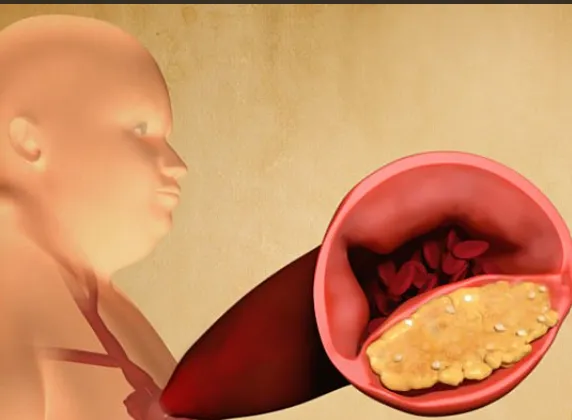
The Mystery Behind Arterial Plaque and Its Connection to Heart Disease, Stroke, and CIMT Scan
What is Arterial Plaque?
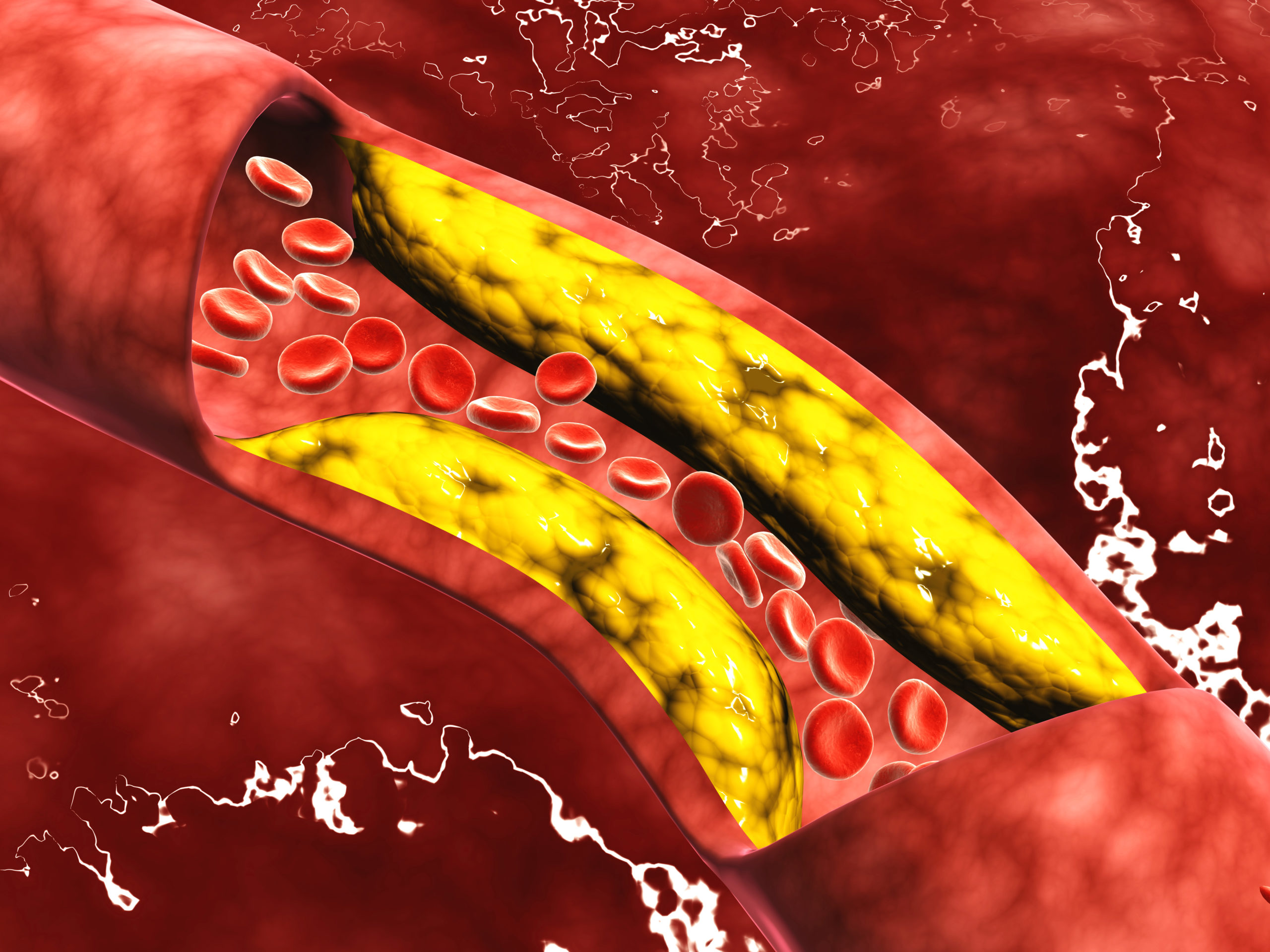
Arterial plaque is a sticky, waxy substance that can build up in the arteries over time, leading to various health problems such as heart disease and stroke.
What Causes Arterial Plaque?
Arterial plaque is caused by a buildup of fatty substances, cholesterol, cellular waste products, calcium, and fibrin in the arteries. It can lead to serious health conditions such as heart disease and stroke.
The Role of Plaque in Stroke Risk

In a study conducted by the American Heart Association, it was found that individuals with high levels of arterial plaque are at a significantly higher risk of developing heart disease and experiencing a stroke. Additionally, research published in the Journal of the American College of Cardiology suggests that the presence of plaque in the carotid arteries can increase the risk of cardiovascular events by up to 50%.The link between arterial plaque and heart disease is a crucial one, as plaque buildup can restrict blood flow to the heart muscle, leading to chest pain (angina) and potentially causing a heart attack. Similarly, plaque in the carotid arteries can disrupt blood flow to the brain, increasing the risk of a stroke.
CIMT Scan: A Tool to Detect Arterial Plaque
One effective way to detect arterial plaque is through a Carotid Intima-Media Thickness (CIMT) scan, which uses ultrasound to measure the thickness of the carotid arteries.

One study published in the Journal of Cardiovascular Ultrasound found that CIMT scans are a reliable method for assessing atherosclerosis and predicting cardiovascular events. By identifying individuals with increased carotid intima-media thickness, healthcare providers can intervene early to prevent the progression of arterial plaque and reduce the risk of heart disease and stroke.
Another study in the Journal of Clinical Ultrasound highlighted the importance of CIMT scans in monitoring the effects of lifestyle interventions on arterial health. By tracking changes in carotid artery thickness over time, healthcare professionals can assess the impact of diet, exercise, and medication on reducing plaque buildup and improving cardiovascular health.
Managing risk factors such as high cholesterol, high blood pressure, smoking, and obesity can help prevent the buildup of plaque in the arteries. By understanding the causes of arterial plaque and taking proactive steps to maintain a healthy lifestyle, individuals can reduce their risk of heart disease and stroke.
Take Charge of Your Cardiovascular Health with Vasolabs' CIMT Scan

At Vasolabs, we are dedicated to helping men take charge of their heart health by offering proactive screenings for heart disease and stroke caused by arterial plaque. Our CIMT scan is a non-invasive and painless procedure that uses high-frequency sound waves to measure the thickness of the carotid artery walls. This valuable information helps us assess the presence of plaque and the risk of cardiovascular events. By unraveling the complexities of arterial plaque and its impact on heart health, you can take proactive steps to prevent and manage these potentially life-threatening conditions.
Schedule your CIMT scan today and take control of your cardiovascular health!
References:
Lee HY, Kim J, Kim U, Kim JH. Carotid Intima-Media Thickness and Cardiovascular Risk Prediction: A Narrative Review. Journal of Cardiovascular Ultrasound. 2018;26(2):65-69.
Homburg PJ, Plompen EP, Rosendaal FR, et al. Carotid intima-media thickness as a cardiovascular risk factor in obese youth: relationship to ambulatory blood pressure. Journal of Clinical Ultrasound. 2013;41(3):173-180.
