Non-Invasive Tests in Cardiovascular Risk Assessment
Cardiovascular risk assessment is a crucial step doctors use to figure out the chance of you having heart problems in the future. It's like a health forecast for your heart. This process doesn't just happen out of the blue. Doctors check things like your age, blood pressure, cholesterol levels, smoking habits, and whether diabetes is part of your health story. They use all this info to paint a picture of how likely it is you might face heart trouble down the line. Non-invasive tests play a big role here. Think of them as the tools that help your doctor collect all the puzzle pieces without having to cut you open or make you uncomfortable. These tests can be as simple as taking your blood to check cholesterol or using sound waves to peek at how your heart is working. Essentially, the goal is to catch any warning signs early. By doing this, you and your doctor can work on a game plan to lower your heart risk, keeping you healthier longer.
Understanding Non-Invasive Tests
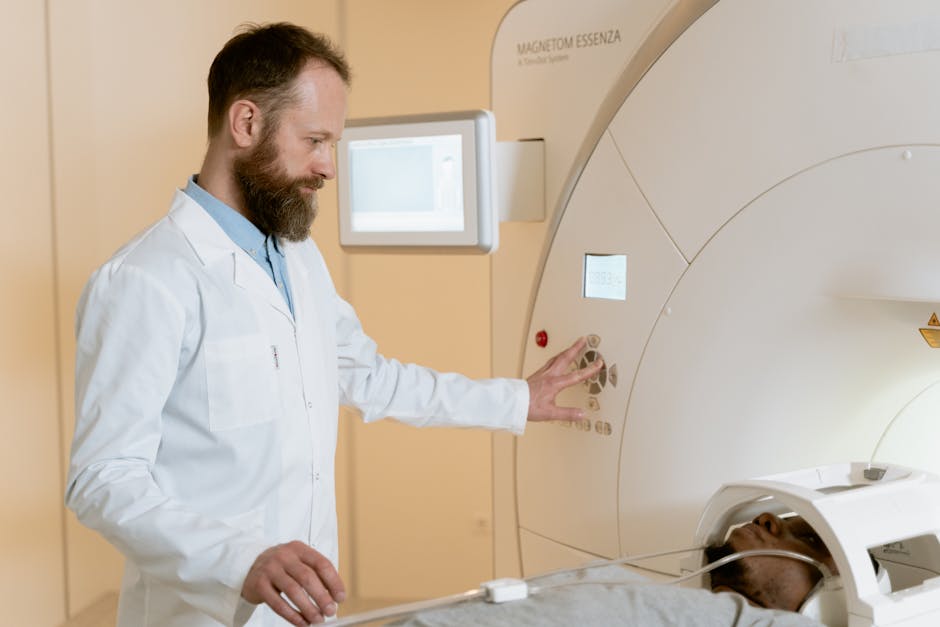
Non-invasive tests are your go-to method for checking on your heart without the need for any cuts. Think of them as spy tools letting doctors peek at what's happening inside without having to open anything up. These tests help predict if you're at risk of heart issues like heart attacks or strokes. Common types include EKGs to check heart rhythms, echocardiograms that use sound waves to look at heart structure, and stress tests where they see how your heart works when it's pushing hard. Also, there's CT scans and MRI scans that give detailed images of the heart. They're pretty straightforward, don't hurt, and you don't need to stay in a hospital for them. Plus, they're critical for catching problems early, which means easier treatment and better chances of staying healthy.
Types of Non-Invasive Tests for Cardiac Health
Doctors use several non-invasive tests to check your heart health. You won't need to worry about needles or cuts. Here’s a quick rundown. Echocardiograms use sound waves to create your heart's image. Think of it as an ultrasound but for the heart. It helps doctors see how your heart beats and pumps blood. Next, there’s the electrocardiogram (EKG/ECG). This test tracks your heart's electrical activity through small sensor pads stuck on your skin. It's quick and tells if your heart rhythm is normal or if there are any issues. Stress tests, sometimes called treadmill tests, check how your heart works during physical activity. You’ll walk on a treadmill or pedal a stationary bike to make your heart work hard while tests are conducted. CT scans take detailed images of your heart. These can spot problems with the heart's structure and blood vessels. Lastly, MRI scans use magnetic fields and radio waves to create detailed images of your heart and blood vessels. These tests help doctors spot heart problems early without needing to look inside your body. So, if your doctor suggests one, know they’re looking out for your heart the easy way.
The Importance of Early Detection in Heart Disease
Catching heart disease early can be a real game changer. Instead of waiting for clear symptoms to show up, and maybe facing tougher treatments, picking up on it early gives you a better fighting chance. Think of it like spotting a storm on the radar before it hits. By doing this, you might only need to make small shifts in your lifestyle or take meds to manage it, rather than dealing with something more serious. Non-invasive tests play a big role here. They're kind of like the body's early warning system without needing to cut you open or put you through pain. These tests can give you and your doctor a heads-up on your heart risk by checking things like blood pressure, cholesterol levels, and using machines to look at the heart's structure and function. The idea here isn't to scare you into thinking you're sick when you're not. It's about staying one step ahead and keeping your heart ticking strong for as long as possible.
How Non-Invasive Tests Aid in Risk Assessment
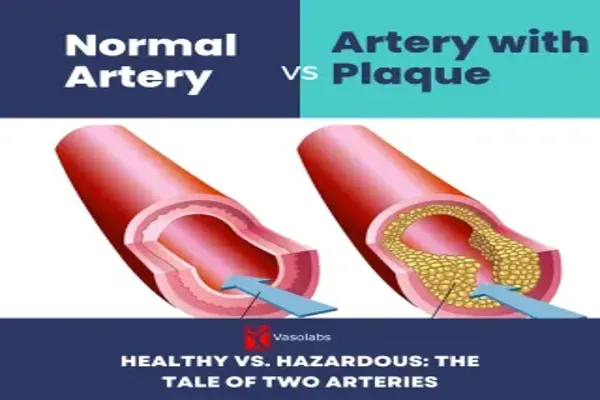
Non-invasive tests are key players in figuring out your heart's health without cutting you open. Imagine them as skilled detectives that can spot trouble without breaking a lock. These tests check how well your heart pumps blood, if there's any blockage in your blood vessels, and if your heart muscle is in good shape—without a single needle or scalpel touching you. Echocardiograms send sound waves to create heart pictures, letting us see if the heart is beating right. Stress tests make you walk or run, ramping up your heart work to see if it complains under pressure. CT scans take detailed heart snapshots, finding sneaky blockages in your arteries. And there's carotid ultrasound, focusing on the neck arteries feeding your brain, watching out for silent stroke risks. These tests matter because they catch early signs of heart trouble, helping to lay out a battle plan to dodge heart attacks or strokes. No guessing, just solid facts guiding the next steps for a healthier heart.
The Role of Echocardiograms in Cardiovascular Screening
Echocardiograms play a vital role in preventing heart issues. This test uses sound waves to create images of your heart, letting doctors see how well it's pumping and if there are any abnormalities. It's non-invasive, meaning no cuts or needles are involved. Echocardiograms can spot problems like damaged heart valves, issues with the heart's chambers, or difficulties with blood flow. Because of this, they're a key tool in spotting heart risks early. They can help your doctor make decisions about your heart health and figure out if you need more tests or treatments. So, when it comes to keeping your heart in check, echocardiograms are both powerful and straightforward.
Stress Tests: What They Are and How They Work
Stress tests are a key tool in figuring out your heart health. Basically, these tests make your heart work hard and then check to see how it's doing. You're usually asked to walk on a treadmill or ride a stationary bike, and the speed and incline will go up to make your heart work harder. If you can't do physical activity because of health issues, there are drugs that can make your heart beat faster and harder, similar to when you exercise. During the test, your heart's rhythm, blood pressure, and breathing are watched closely. Doctors are looking to see if your heart is getting enough blood through your arteries. If it’s not, that could mean there's a blockage or heart disease. Stress tests can tell doctors a lot, like if you're at high risk for heart disease, how hard you can safely push yourself if you're starting an exercise program, and if treatments you've been given for heart problems are working. So, it's not just about pushing your limits; it's a crucial check-up for your heart.
The Impact of Wearable Technology on Monitoring Heart Health
Wearable technology, think smartwatches and fitness trackers, has truly changed the game when it comes to monitoring heart health. These small, but powerful devices can keep an eye on your heart rate all day and night. This means you can see how fast your heart beats when you’re chilling out or during a full-on workout. They can even notice patterns that might signal a problem, like a heart rate that's higher than it should be when you’re resting.
What's really cool is some of these gadgets can check your heart rhythm. They’re smart enough to spot irregularities, like atrial fibrillation (AFib), a type of irregular heartbeat that sometimes goes unnoticed. Catching something like AFib early can be a game-changer because it ups the risk for stroke and other heart-related issues.
But, and there's always a but, these devices aren't perfect. They're not as precise as the tests you'd get in a doctor's office. Think of them as your first alert system. They let you know when you might need to dig deeper with a healthcare professional. Also, remember, while they’re good at tracking your heart rate and sometimes rhythm, they don’t measure things like blood pressure without additional gear.
So, do these wrist buddies replace doctors? No way. But they do give us some power to watch over our heart health daily. It’s like having a little heart health monitor on your wrist. Pretty cool, right? Just keep in mind, if your wearable flags something up, it's time to check in with a healthcare pro to get the full picture.
Combining Non-Invasive Tests for Comprehensive Evaluation
Doctors often use more than one non-invasive test to get the full picture of your heart health. It's like putting puzzle pieces together; each test adds a piece until the whole picture emerges. For example, an ECG might show how your heart beats, while a stress test can reveal how your heart works under pressure. Adding an echocardiogram gives a glimpse of your heart's structure and function. Together, these tests provide a comprehensive evaluation, helping doctors make the best plan for your heart care. It's not just about checking off boxes; it's about understanding your heart from different angles to protect it better.
Conclusion: The Future of Cardiovascular Risk Assessment
Non-invasive tests are changing the game in predicting and preventing heart disease. These tests, like the CT coronary calcium scan, are quick, painless, and give us clear pictures of heart health without having to go under the knife. As technology advances, these tests will only get better, sharper, and more accessible. They help doctors catch potential problems early on, meaning treatment can start sooner, and lives can be saved. The future of cardiovascular risk assessment looks promising, with these non-invasive methods leading the charge. In the end, the goal is clear - to make heart disease something we can manage better and perhaps one day, largely prevent. As we move forward, expect more innovation, better prevention strategies, and healthier hearts.