How Glucose Monitoring Can Prevent Heart Attacks
Heart attacks rarely strike out of nowhere. Long before chest pain or shortness of breath ever appear, the body whispers early warnings. One of the most powerful of those whispers comes from your blood sugar.
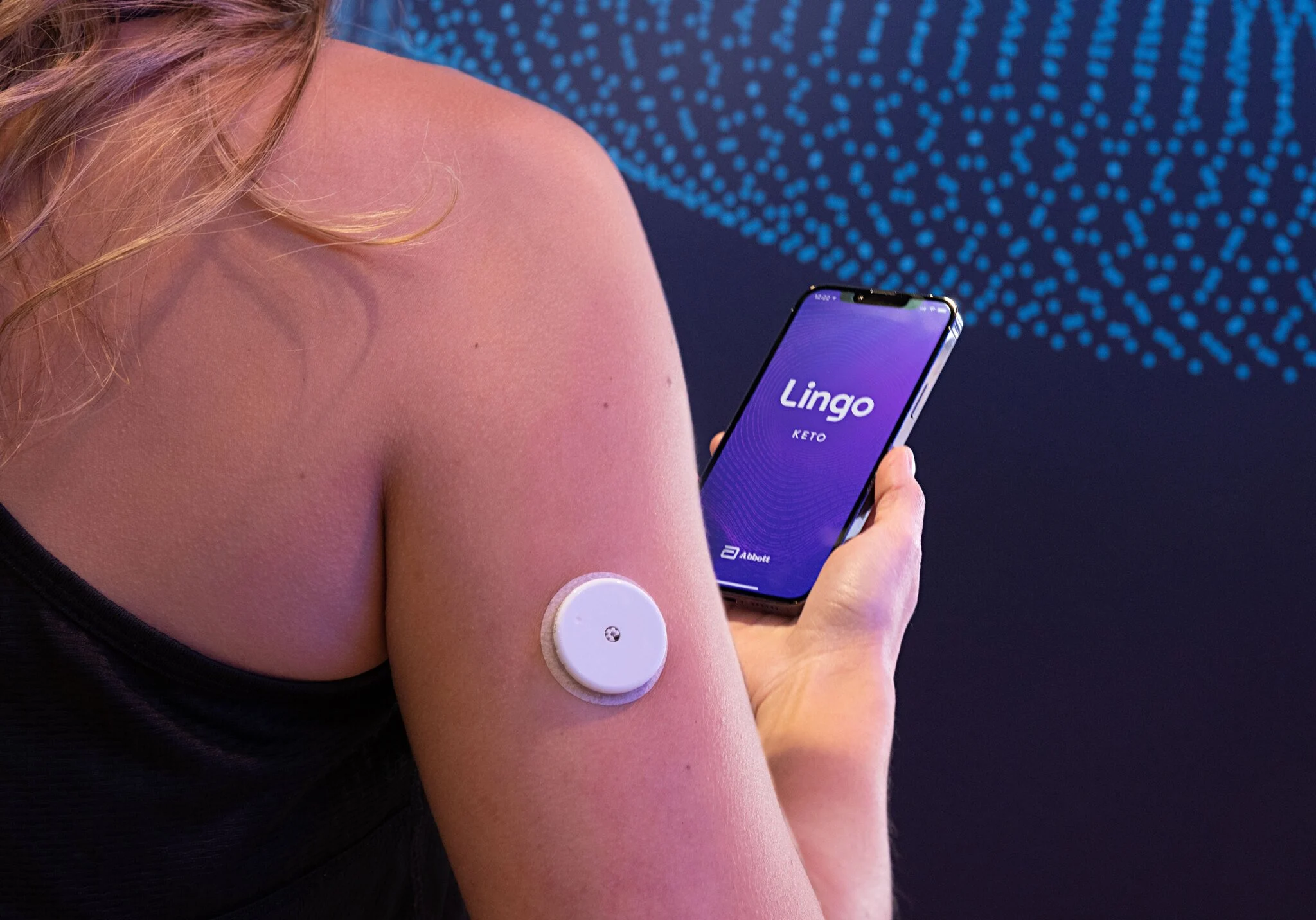
Continuous glucose monitoring (CGM) isn’t just for people with diabetes. It’s a window into how your everyday choices, the way you eat, sleep, and move, are shaping your cardiovascular future. And when it comes to preventing heart disease, timing is everything.
Why Glucose Matters for Your Heart
Unstable blood sugar quietly fuels a perfect storm inside your arteries:
Inflammation begins to build.
Insulin resistance takes hold.
Plaque formation speeds up.
Tiny, daily glucose spikes and dips harden arterial walls over time, increasing the risk of heart attacks and strokes. What’s striking is that this damage can happen even when your annual lab results look “normal.”
The Power of Real-Time Monitoring
A lab test gives you a snapshot. A CGM gives you the movie.
By tracking your glucose patterns minute by minute, you can actually see how your body responds to:
That morning pastry or protein-rich breakfast
Your stress-packed meetings
A night of poor sleep
A post-lunch walk compared to a sedentary afternoon
This is prevention in high definition, showing you how lifestyle truly affects your arteries in real time.
Sourdough vs Regular Bread: A Surprising Ally in Glucose Control
Bread is one of the most common culprits for glucose spikes. But not all breads behave the same way, and sourdough stands apart.
Why Sourdough Often Spikes Less
Sourdough’s long fermentation creates organic acids, lactic and acetic, that slow gastric emptying and make starch less rapidly digestible. In multiple human studies, sourdough breads, especially whole-grain versions, lead to lower glucose and insulin responses compared to conventional yeast bread.
CGM insight: Many people see a gentler rise in blood sugar after eating true sourdough. It’s one of those small, practical swaps that can make a measurable difference on your graph.
Fermentation Advantages Beyond Glucose
Sourdough fermentation does more than just lower spikes:
Better mineral absorption. It reduces phytic acid, making minerals like magnesium and zinc more bioavailable. Both are critical for vascular health.
More resistant starch. Fermentation can slightly increase the amount of resistant starch, further blunting glucose spikes.
Easier digestion. Long fermentation lowers FODMAP content, making it easier for many people to tolerate.
When you smooth out those glucose curves, you reduce inflammation and endothelial stress, both key drivers of atherosclerosis.
A Note on Labels
Not all breads labeled “sourdough” are truly fermented. Some are just yeast bread with vinegar for flavor. Look for:
Short ingredient lists
Natural starter cultures
Long fermentation times
Whole-grain options when possible
These factors directly affect how your body responds.
The Gluten Caveat
Sourdough fermentation breaks down some gluten, but it’s not safe for people with celiac disease unless it’s certified gluten-free. For everyone else, it can be easier on the gut and metabolic system than conventional bread.
How to Test Sourdough with Your CGM
If you’re curious how your body reacts, run your own personal experiment:
Day 1: Eat your usual bread with your typical breakfast.
Day 2: Swap it for authentic sourdough, same carb amount.
Day 3: Pair sourdough with protein and healthy fats.
Then compare your peak glucose, curve shape, and time to return to baseline. Many people see a dramatic difference.
The Early Advantage: Why You Shouldn’t Wait
Arterial damage doesn’t happen overnight. It builds quietly, often for years. Pairing glucose monitoring with heart imaging gives you a powerful prevention edge.
Catching risk early means slowing or reversing plaque development.
Personalized food strategies, like the sourdough swap, create lasting metabolic stability.
Smaller spikes today mean stronger arteries tomorrow.
This isn’t about restriction. It’s about strategy.
Where Prevention Gets Real
The future of heart attack prevention is personalized. It’s CGM data revealing how your metabolism responds. It’s lifestyle tweaks that lower inflammation before it turns into disease. And yes, sometimes it’s as simple as swapping your bread.
If you want to build a true heart attack prevention plan, consider pairing glucose monitoring with arterial scanning and expert guidance. Early detection plus smart daily choices is where prevention turns into power.
List of CGM we recommend:
👉 Learn more or book your heart scan today at www.vasolabs.com
