801-797-2297
1414 South 600 West, Bountiful, UT 84010
Mon-Friday, 8am-5pm
801-797-2297 | Mon-Friday, 8am-5pm

Welcome to Our Blog: Vasolabs News and Education
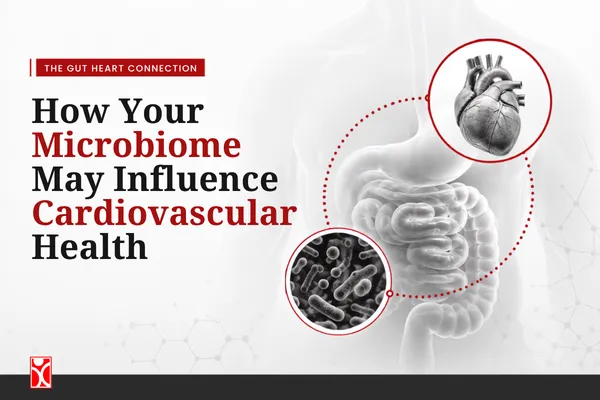
The Gut-Heart Connection: Microbiome & Heart Health
Cardiovascular Health, Gut Microbiome, Preventive Screening
The Gut–Heart Connection: Why Your Microbiome Demands a Place in Cardiovascular Prevention
The era of viewing the heart in isolation is over. If you are serious about cardiovascular prevention, you can no longer afford to ignore what is happening in the gut. Emerging evidence is drawing a bold, unbreakable line between the microbiome and vascular health—and professionals who stay ahead of this curve will shape the next generation of heart disease prevention.
The Gut–Heart Connection: Moving Beyond a Single-Organ Mindset
The gut is not just a digestive tube; it is a metabolically aggressive, immunologically active organ system that communicates constantly with the cardiovascular system. Trillions of microbes living in the intestines produce metabolites, modulate inflammation, and influence endothelial function. Ignoring this ecosystem while assessing heart risk is like reading only the last chapter of a complex clinical story and pretending you know the whole plot.
Professionals working with adults over 40—especially those with obesity, diabetes, dyslipidemia, or a family history of cardiovascular disease—are confronting a reality that is impossible to dismiss: the gut microbiome can either amplify vascular damage or help buffer it. The “gut–heart axis” is not a fashionable buzz phrase; it is a clinically relevant framework that should inform how you talk about prevention, lifestyle, and screening with your patients or clients.
How the Microbiome May Influence Cardiovascular Health
The mechanisms linking the microbiome to cardiovascular health are not speculative—they are increasingly measurable and actionable. Certain gut bacteria convert dietary components such as choline and carnitine (found in red meat, eggs, and some processed foods) into trimethylamine (TMA), which the liver oxidizes into trimethylamine N-oxide (TMAO). Elevated TMAO levels have been associated with accelerated atherosclerosis, platelet hyperreactivity, and a higher risk of major adverse cardiovascular events. In plain terms: an imbalanced microbiome can quietly push arteries toward instability long before symptoms emerge.
At the same time, beneficial microbes produce short-chain fatty acids such as butyrate, acetate, and propionate, which support gut barrier integrity, reduce systemic inflammation, and may help regulate blood pressure and lipid metabolism. A fiber-poor, ultra-processed diet starves these protective bacteria, while a plant-forward, nutrient-dense eating pattern fuels them. This tug-of-war inside the gut translates directly into vascular consequences: endothelial resilience or dysfunction, plaque stability or vulnerability, and ultimately, protection or progression of disease.
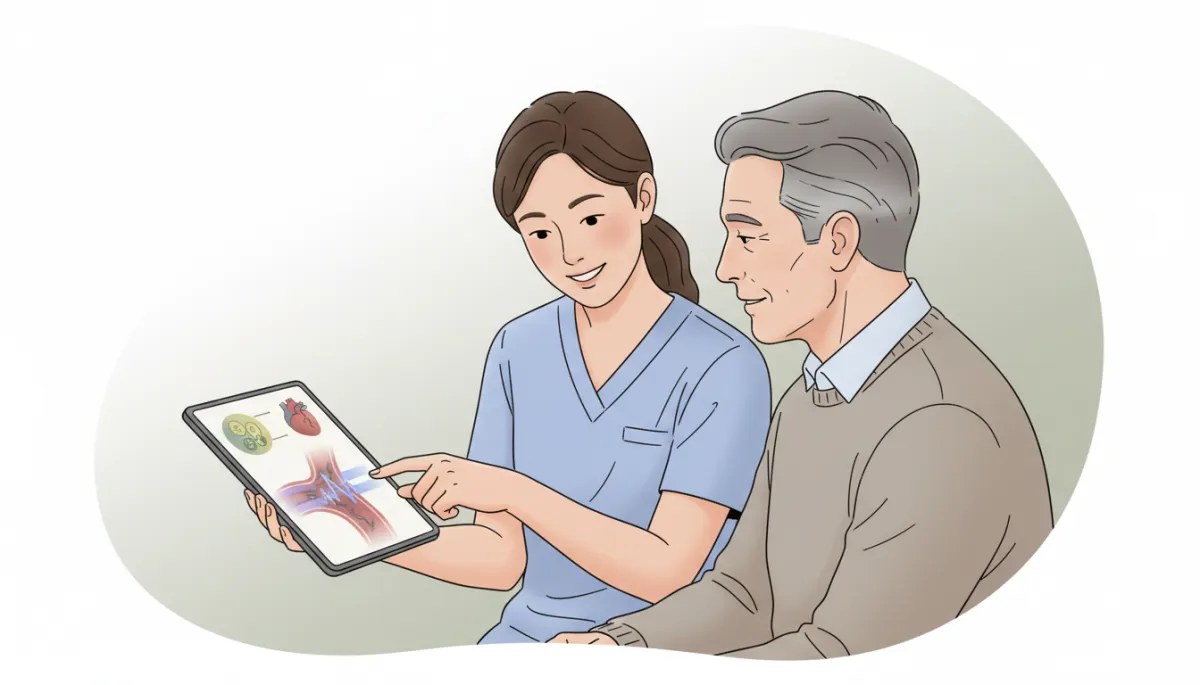
Linking lifestyle, microbiome health, and arterial imaging turns abstract risk into visible reality.
From Insight to Action: Pair Microbiome-Friendly Habits with Vascular Screening
For professionals advising high-risk adults, the mandate is clear: champion gut-supportive habits while insisting on objective cardiovascular assessment. Encouraging more fiber, fewer ultra-processed foods, moderate alcohol, and smoking cessation is essential—but it is not enough. Patients deserve to see how their choices, genetics, and microbiome are already impacting their arteries today, not after an event forces the conversation.
This is where Vasolabs steps in decisively. Our affordable, painless C-IMT (carotid intima–media thickness) ultrasound scans reveal early structural changes in the carotid arteries—long before symptoms appear. When you pair microbiome-focused counseling with concrete imaging of arterial health, you transform vague risk into a clear, personalized roadmap. Patients see their own arterial wall, understand their trajectory, and become far more motivated to act on diet, weight, blood pressure, and gut health.
📌 Key Takeaway: A healthy microbiome can support vascular resilience, but you still need hard data on arterial status. Combining microbiome-conscious lifestyle strategies with C-IMT screening is a bold, modern approach to prevention.
Make the Gut–Heart Axis Part of Every Prevention Strategy
The message is unapologetically direct: if you are counseling adults over 40 and not addressing the gut–heart connection, you are leaving a critical dimension of prevention on the table. Your patients are navigating powerful forces—diet, medications, metabolic disease, and microbiome shifts—that can either erode or protect their arteries every single day. They need more than generic advice; they need clear information, concrete measurements, and an actionable plan.
Vasolabs is built around that exact promise: accessible, innovative cardiovascular screenings that empower people with fast, easy-to-understand results. Our C-IMT ultrasound technology requires no physician referral, is noninvasive and painless, and delivers rapid reports that you and your patients can use immediately to guide lifestyle, microbiome-supportive strategies, and medical decisions. If you are ready to align gut health, heart health, and proactive prevention, do not wait for symptoms to dictate the timeline—schedule your C-IMT scan appointment today to assess your risk of heart disease.
Disclaimer: This article is for educational purposes only and is not intended to diagnose, treat, cure, or prevent any medical condition. Always consult a qualified healthcare professional regarding personal medical concerns.
References
1. Tang WHW, Kitai T, Hazen SL. Gut microbiota in cardiovascular health and disease. Circulation Research. 2017;120(7):1183–1196.
2. Witkowski M, Weeks TL, Hazen SL. Gut microbiota and cardiovascular disease. Circulation Research. 2020;127(4):553–570.
3. Wang Z, Klipfell E, Bennett BJ, et al. Gut flora metabolism of phosphatidylcholine promotes cardiovascular disease. Nature. 2011;472(7341):57–63.
4. Marques FZ, Mackay CR, Kaye DM. Beyond gut feelings: how the gut microbiota regulates blood pressure. Nature Reviews Cardiology. 2018;15(1):20–32.

Why should you get this C-IMT scan?
Informed patients make better decisions.

Early Detection of Heart Disease Risk
A C-IMT scan can act as an early warning system by identifying increased thickness in the artery walls long before any symptoms of heart disease or stroke become evident.

Personalized Treatment Plan
The results of a C-IMT scan can help your doctor tailor a treatment plan to reduce your risk of heart attack or stroke, which is the leading cause of death and disability in the world.

Non-Invasive and Safe
Unlike some other tests, the C-IMT scan is non-invasive and uses ultrasound, not radiation. It's safe and doesn't require any special preparation.

Family History
If you have a family history of early heart disease or stroke, the scan can provide valuable information about your own risk, helping you and your doctor to take preventive measures.

Peace of Mind
If you are anxious about your cardiovascular health, a vasometric scan can provide reassurance if your results are within a normal range.
Vasolabs Is A Premier Provider Of Safe, Convenient Heart Disease Screenings.
Vasolabs Is A Premier Provider Of Safe, Convenient Heart Disease Screenings.
Uses the newest ultrasound technology
Determines whether or not you have heart disease
Pain-free. Requires no wires, treadmills, or needles.
Takes only 15 minutes
Get your Easy-to-Understand Report within 24 hours
Optional Discussion with your Clinician
Schedule a test to see if you’re at risk of heart disease!
Identify Your Risks of Getting Cardiovascular Disease With a Simple C-IMT Scan!
Know if You Are at Risk for Heart Attacks, Strokes, and other Cardiovascular Diseases:
$499 $249
What's Included in your Report:
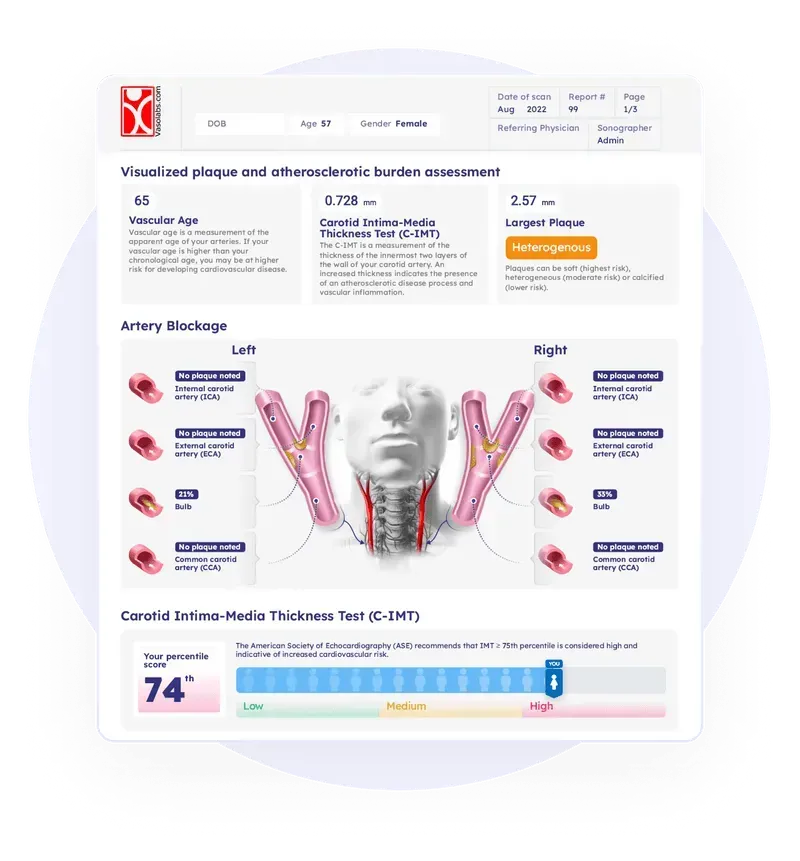
See your Vascular Age!
Soft or Calcified Plaque is visualized, you’ll see it all.
Track Your inflammation, Know your Artery Blockage.
Informed patients make better decisions.
Loved ones depend on you.
Do I Need a Heart Screening?
Here is a checklist of factors that put you at elevated risk for heart attack, stroke, and other forms of cardiovascular disease:
Over 40 years of age
Family history of heart disease/stroke
Overweight
Increased cholesterol level
High-fat diet
Tobacco user
High blood pressure
Diabetic
Metabolic syndrome
Erectile dysfunction
Psoriasis
Peace of Mind is Priceless

Looking back, it's chilling to realize how close I came to the edge. I opted for a test at Vasolabs on a whim, without any particular symptoms. Boy, am I glad I did! Turns out, my arteries were nearly clogged up - something regular doctors wouldn't have caught unless there were signs of a problem. By the time I got a couple of second opinions and returned to my regular doctor, my arteries were 95% blocked. If I hadn't taken the test when I did, I could have had a stroke. Trust me when I say this, going to Vasolabs was one of the best decisions I've ever made.
- George B
I was really worried about getting a heart attack because its already happened in our family. So taking this test gave me the peace of mind I was looking for. And it was so cool to see the age of my artery was younger than I was!!
- Barbara L.
I went to Vasolabs for their C-IMT testing, thinking it'd be a complicated deal, but nope! It was as easy as getting a photo taken. And guess what? They found an issue that could've been a silent threat. Thanks to them catching it early, my doctor and I are on top of it now. Honestly, I feel like I dodged a bullet. Big thumbs up for Vasolabs!
- Walter S.
I saw an ad on Facebook and I got the C-IMT Test for myself and my husband, it was such an easy process. And a great gift idea for family. It was really fun to look at the results and good to know I need to work on my health.
- Jessica F.
Frequently Asked Question
What is a C-IMT scan?
A C-IMT Scan is a non-invasive procedure that uses ultrasound technology to measure the thickness of your carotid arteries' walls. These arteries, located on each side of your neck, supply blood to your brain. Over time, plaque can build up in these arteries, causing them to thicken. This is often an early sign of atherosclerosis, a disease that can lead to serious conditions such as heart attacks and strokes.
Where do I go to get this scan?
For your quick, 15-minute appointment, simply head over to our facility located at 1414 South 600 West, Bountiful, UT 84010.
Who takes my test?
Dean Ence, an expert sonographer, will be handling your fast, no-pain test to figure out the 'age' of your arteries. This test checks how thick your artery walls are - thicker walls can mean inflammation. It's all simplified for you to understand easily. We also spot and show plaque, whether soft or hard, in your arteries. You get detailed pictures from the ultrasound for your records. Taking care of your health is our main goal!
How long does the C-IMT Scan and Report take?
The duration of the C-IMT scan can vary depending on various factors, like the complexity of the patient's condition. Typically, a Vasometric scan takes around 15 minutes to complete. The report is done and delivered within 24 hours to you.
Will my insurance cover this C-IMT Scan?
No. Hospitals charge $800, but our cost is $249.
Our Mission:
Vasolabs is dedicated to promoting heart health by providing innovative, easy-to-access tests. We empower people with insights into their vascular health for early risk detection.
Our Vision:
To redefine cardiovascular care by shifting the focus from late-stage disease management to proactive prevention.


