801-797-2297
1414 South 600 West, Bountiful, UT 84010
Mon-Friday, 8am-5pm
801-797-2297 | Mon-Friday, 8am-5pm

Welcome to Our Blog: Vasolabs News and Education
Visceral Fat and Types of Body Fat: Health Risks Explained
Visceral Fat and the Different Types of Body Fat: A Clinical Guide to Metabolic and Cardiovascular Risk
When most people think about body fat, they focus on what they see. Clinically, the fat you cannot see often carries more risk.
The body stores fat in several distinct ways, and each type behaves differently. Some play protective roles. Others actively influence inflammation, insulin resistance, vascular aging, and long term cardiovascular outcomes.
Understanding these differences helps shift the focus from weight alone toward metabolic and cardiovascular health.
Subcutaneous Fat: The Most Visible Layer

Subcutaneous fat sits directly under the skin and is the type most people recognize. It is commonly found around the abdomen, hips, thighs, and arms.
From a physiological standpoint, subcutaneous fat serves several functions. It stores energy, helps regulate temperature, and contributes to hormone signaling. Compared with deeper fat stores, it is generally less strongly associated with cardiometabolic disease.¹
Real world example
Many active individuals carry some subcutaneous fat while maintaining normal glucose, lipid, and blood pressure levels because their deeper fat stores remain low.
Visceral Fat: The Most Clinically Relevant

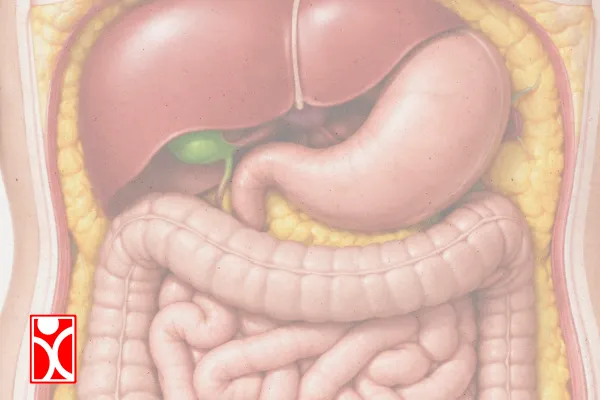
Visceral fat is stored deep in the abdominal cavity, surrounding organs such as the liver, pancreas, and intestines. Unlike subcutaneous fat, it behaves as a metabolically active endocrine tissue.
Research shows visceral fat releases inflammatory cytokines and bioactive compounds that contribute to insulin resistance, dyslipidemia, and systemic inflammation.² These pathways help explain its strong association with metabolic syndrome, cardiovascular disease, and fatty liver disease.
Real world example
A patient with a normal body mass index but elevated triglycerides and fasting glucose often shows increased visceral fat on imaging.
Intramuscular Fat: The Overlooked Contributor

Intramuscular fat accumulates within muscle tissue. It is more common with aging, inactivity, and prolonged sedentary behavior.
Studies show higher intramuscular fat is linked to reduced insulin sensitivity and decreased physical performance.³ Over time, it contributes to metabolic decline even in the absence of significant weight gain.
Real world example
Someone who works long hours at a desk and avoids resistance training may gradually lose strength while metabolic markers worsen despite stable body weight.
Ectopic Fat: Fat Stored in Organs

Ectopic fat refers to fat deposited in organs where it is not typically stored, including the liver, pancreas, heart, and blood vessels.
These deposits are strongly linked to systemic inflammation, insulin resistance, and cardiovascular risk. Nonalcoholic fatty liver disease, for example, is now one of the most common metabolic conditions worldwide.⁴
Real world example
Many individuals learn they have fatty liver during routine bloodwork or imaging despite no symptoms and minimal alcohol intake.
Why Visceral Fat Matters in Cardiovascular Health
Visceral fat plays a central role in cardiometabolic risk because it directly affects glucose metabolism, lipid regulation, inflammation, and vascular function.
Higher visceral fat levels are associated with early arterial changes and increased cardiovascular events, independent of total body weight.⁵ From a preventive cardiology perspective, reducing visceral fat often leads to meaningful improvements in metabolic markers.
What Drives Visceral Fat Accumulation
Visceral fat accumulation typically reflects long term metabolic patterns rather than short term changes. Key drivers include:
• Chronic stress and elevated cortisol
• Poor sleep quality and circadian disruption
• Diets high in refined carbohydrates and ultra processed foods
• Sedentary behavior
• Insulin resistance
Real world example
A professional with irregular sleep, frequent travel, and limited physical activity often develops increased abdominal circumference and rising metabolic risk markers over time.
The Encouraging Reality: It Responds to Change
Among all fat depots, visceral fat responds quickly to consistent lifestyle improvements. Research shows measurable reductions with:
• Regular aerobic and resistance training⁶
• Improved sleep patterns
• Higher protein and fiber intake
• Weight stabilization and metabolic regulation
Even moderate lifestyle changes can significantly improve cardiometabolic outcomes.
Conclusion
Not all fat behaves the same way.
Subcutaneous fat is visible but often less harmful, while visceral and ectopic fat are more closely tied to long term metabolic and cardiovascular risk.
For clinicians and patients alike, the focus should move beyond weight alone toward improving metabolic function, reducing inflammation, and supporting vascular health through sustainable habits.
References
Ibrahim MM. Subcutaneous and visceral adipose tissue: structural and functional differences. Obesity Reviews. 2010.
Després JP. Body fat distribution and risk of cardiovascular disease. Circulation. 2012.
Goodpaster BH, et al. Skeletal muscle lipid content and insulin resistance. PNAS. 2001.
Younossi ZM, et al. Global epidemiology of NAFLD. Hepatology. 2016.
Britton KA, Fox CS. Ectopic fat depots and cardiovascular disease risk. Circulation. 2011.
Ross R, et al. Effects of exercise on abdominal obesity and visceral fat. Obesity. 2004.

Why should you get this C-IMT scan?
Informed patients make better decisions.

Early Detection of Heart Disease Risk
A C-IMT scan can act as an early warning system by identifying increased thickness in the artery walls long before any symptoms of heart disease or stroke become evident.

Personalized Treatment Plan
The results of a C-IMT scan can help your doctor tailor a treatment plan to reduce your risk of heart attack or stroke, which is the leading cause of death and disability in the world.

Non-Invasive and Safe
Unlike some other tests, the C-IMT scan is non-invasive and uses ultrasound, not radiation. It's safe and doesn't require any special preparation.

Family History
If you have a family history of early heart disease or stroke, the scan can provide valuable information about your own risk, helping you and your doctor to take preventive measures.

Peace of Mind
If you are anxious about your cardiovascular health, a vasometric scan can provide reassurance if your results are within a normal range.
Vasolabs Is A Premier Provider Of Safe, Convenient Heart Disease Screenings.
Vasolabs Is A Premier Provider Of Safe, Convenient Heart Disease Screenings.
Uses the newest ultrasound technology
Determines whether or not you have heart disease
Pain-free. Requires no wires, treadmills, or needles.
Takes only 15 minutes
Get your Easy-to-Understand Report within 24 hours
Optional Discussion with your Clinician
Schedule a test to see if you’re at risk of heart disease!
Identify Your Risks of Getting Cardiovascular Disease With a Simple C-IMT Scan!
Know if You Are at Risk for Heart Attacks, Strokes, and other Cardiovascular Diseases:
$499 $249
What's Included in your Report:
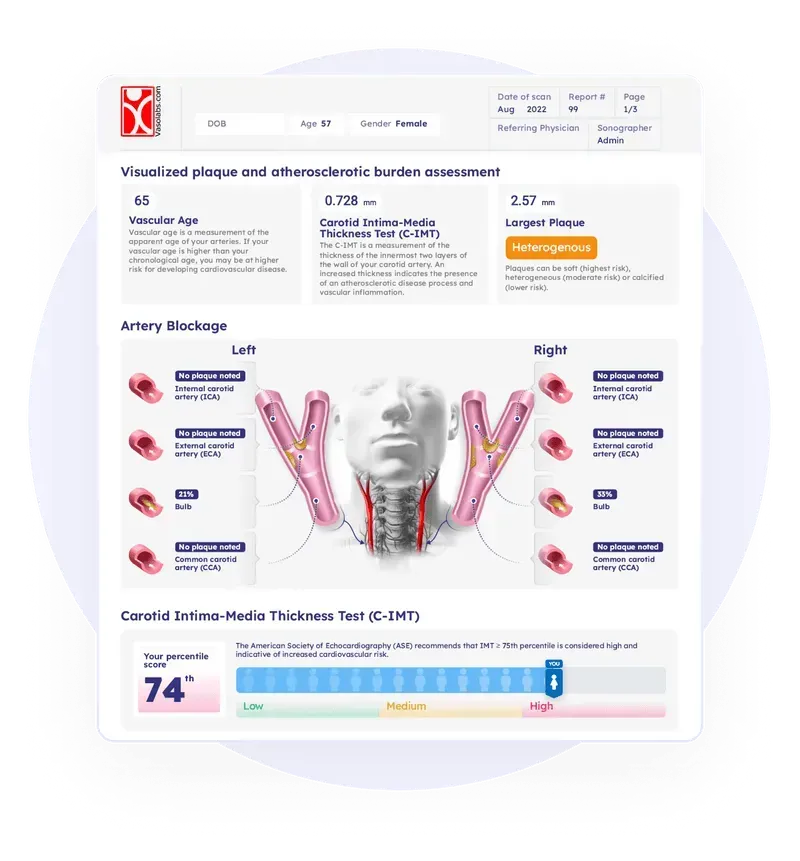
See your Vascular Age!
Soft or Calcified Plaque is visualized, you’ll see it all.
Track Your inflammation, Know your Artery Blockage.
Informed patients make better decisions.
Loved ones depend on you.
Do I Need a Heart Screening?
Here is a checklist of factors that put you at elevated risk for heart attack, stroke, and other forms of cardiovascular disease:
Over 40 years of age
Family history of heart disease/stroke
Overweight
Increased cholesterol level
High-fat diet
Tobacco user
High blood pressure
Diabetic
Metabolic syndrome
Erectile dysfunction
Psoriasis
Peace of Mind is Priceless

Looking back, it's chilling to realize how close I came to the edge. I opted for a test at Vasolabs on a whim, without any particular symptoms. Boy, am I glad I did! Turns out, my arteries were nearly clogged up - something regular doctors wouldn't have caught unless there were signs of a problem. By the time I got a couple of second opinions and returned to my regular doctor, my arteries were 95% blocked. If I hadn't taken the test when I did, I could have had a stroke. Trust me when I say this, going to Vasolabs was one of the best decisions I've ever made.
- George B
I was really worried about getting a heart attack because its already happened in our family. So taking this test gave me the peace of mind I was looking for. And it was so cool to see the age of my artery was younger than I was!!
- Barbara L.
I went to Vasolabs for their C-IMT testing, thinking it'd be a complicated deal, but nope! It was as easy as getting a photo taken. And guess what? They found an issue that could've been a silent threat. Thanks to them catching it early, my doctor and I are on top of it now. Honestly, I feel like I dodged a bullet. Big thumbs up for Vasolabs!
- Walter S.
I saw an ad on Facebook and I got the C-IMT Test for myself and my husband, it was such an easy process. And a great gift idea for family. It was really fun to look at the results and good to know I need to work on my health.
- Jessica F.
Frequently Asked Question
What is a C-IMT scan?
A C-IMT Scan is a non-invasive procedure that uses ultrasound technology to measure the thickness of your carotid arteries' walls. These arteries, located on each side of your neck, supply blood to your brain. Over time, plaque can build up in these arteries, causing them to thicken. This is often an early sign of atherosclerosis, a disease that can lead to serious conditions such as heart attacks and strokes.
Where do I go to get this scan?
For your quick, 15-minute appointment, simply head over to our facility located at 1414 South 600 West, Bountiful, UT 84010.
Who takes my test?
Dean Ence, an expert sonographer, will be handling your fast, no-pain test to figure out the 'age' of your arteries. This test checks how thick your artery walls are - thicker walls can mean inflammation. It's all simplified for you to understand easily. We also spot and show plaque, whether soft or hard, in your arteries. You get detailed pictures from the ultrasound for your records. Taking care of your health is our main goal!
How long does the C-IMT Scan and Report take?
The duration of the C-IMT scan can vary depending on various factors, like the complexity of the patient's condition. Typically, a Vasometric scan takes around 15 minutes to complete. The report is done and delivered within 24 hours to you.
Will my insurance cover this C-IMT Scan?
No. Hospitals charge $800, but our cost is $249.

Our Mission:
Vasolabs is dedicated to promoting heart health by providing innovative, easy-to-access tests. We empower people with insights into their vascular health for early risk detection.
Our Vision:
To redefine cardiovascular care by shifting the focus from late-stage disease management to proactive prevention.


